
Elder sharing local folklore with attentive B&B owners

Local Community Stories

Real-life examples of successful sustainable tourism initiatives across rural Ireland

Stories of Transformation

Learn from the experiences of B&B and guesthouse owners who have successfully implemented sustainable tourism practices

The following stories showcase real accommodation providers from across rural Ireland who have transformed their businesses through sustainable tourism practices and meaningful community engagement. These case studies demonstrate the practical application of the principles and strategies we teach in our educational program.

Each story highlights different aspects of sustainable tourism, from energy efficiency and waste reduction to community partnerships and eco-friendly guest experiences. They represent diverse property types, locations, and starting points, showing that sustainable tourism is achievable for all rural accommodation providers.

We hope these stories inspire you and provide practical insights for your own sustainable tourism journey. If you have a story you'd like to share, please contact us – we're always looking to expand our collection of community success stories.

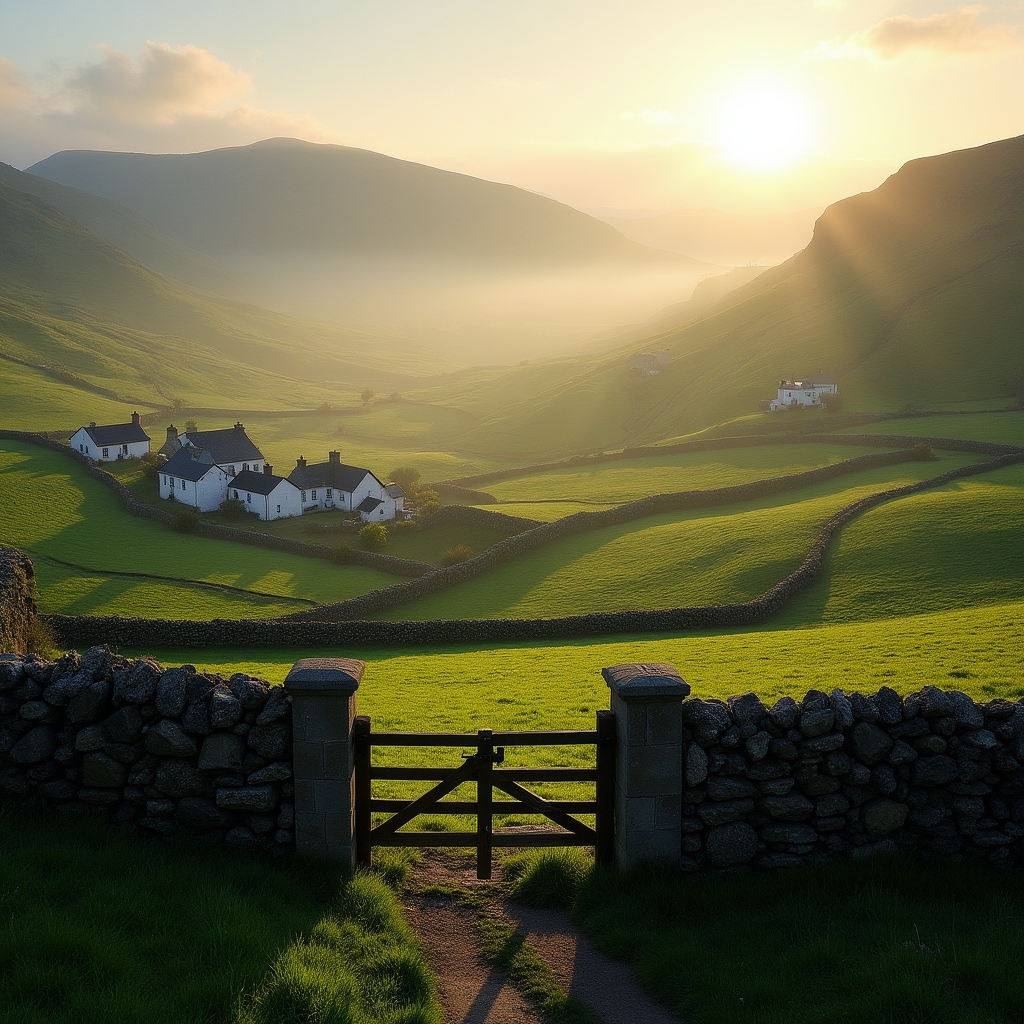
Scenic rural Irish landscape with traditional cottages

When Mary and John Kelly inherited a 150-year-old stone cottage near the Cliffs of Moher in 2020, they faced significant challenges. The building was energy-inefficient, with high heating costs and poor insulation, yet they were determined to preserve its historic character while creating a sustainable B&B.

"We knew we wanted to create something special that honored the building's heritage while embracing modern sustainability principles," explains Mary. "The challenge was finding the right balance between preservation and performance."

Working with heritage building specialists, they implemented a comprehensive energy efficiency program that respected the cottage's character. This included sheep's wool insulation in the attic, secondary glazing for the original windows, and a ground-source heat pump system discreetly installed in the garden. These measures reduced energy costs by 40% while maintaining the authentic experience guests were seeking.

Beyond the building improvements, the Kellys developed strong partnerships with local food producers and artisans. They created a "Taste of Clare" breakfast experience featuring ingredients sourced within 30km of the property, complete with a map showing guests exactly where each item comes from. They also converted a small outbuilding into a showcase for local crafts, which has become a popular feature with guests.

"The response from guests has been overwhelmingly positive," says John. "They appreciate the combination of authentic heritage and environmental responsibility. We've seen a 25% increase in our review scores, with many guests specifically mentioning the sustainable elements and local connections."
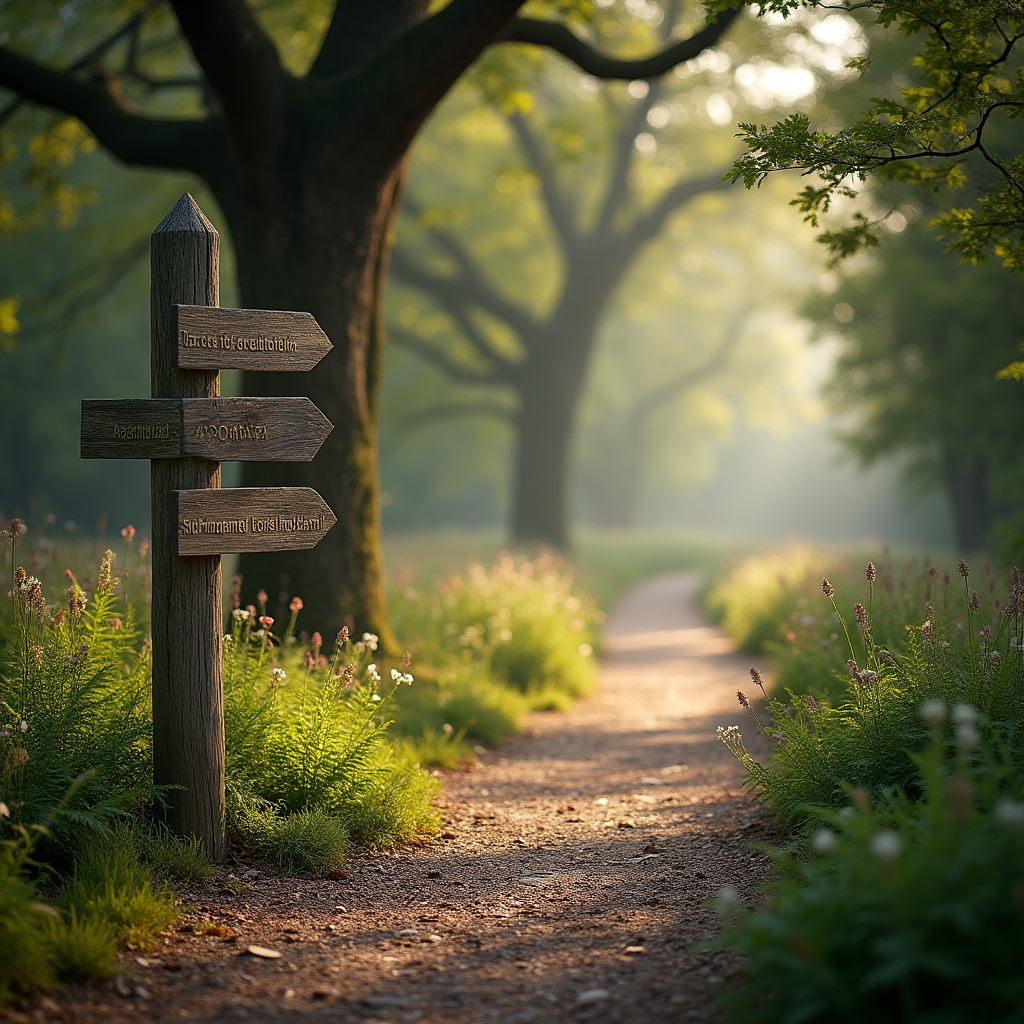
Sustainable nature trail in rural Ireland with eco-friendly signage

When Sarah O'Brien purchased Lakeside Lodge in 2018, the 5-acre property near Lough Oughter was overgrown and underutilized. A former fishing lodge built in the 1970s, the guesthouse itself was functional but lacked character, and occupancy rates were low, especially in the off-season.

"I saw the potential to create something special that would connect guests with the incredible natural environment," recalls Sarah. "But I needed to find ways to extend the season beyond the traditional summer fishing months."

Sarah's transformation began with the land itself. Working with local ecologists, she developed a biodiversity management plan that restored native woodland, created wildflower meadows, and established a network of nature trails throughout the property. She installed bird hides, wildlife cameras, and interpretive signage that helps guests identify local species.

The lodge's extensive grounds now include an organic kitchen garden that supplies much of the produce for guest breakfasts, a small orchard of heritage apple varieties, and a composting system that processes all food waste. Sarah worked with a local naturalist to develop seasonal wildlife guides and created a digital nature diary where guests can record their sightings.

"The transformation of the grounds created new reasons for people to visit year-round," explains Sarah. "We now offer seasonal experiences—spring wildflower walks, summer bat watching, autumn mushroom foraging, and winter bird watching—that have increased our occupancy rates by 35% during traditionally slower periods."

Inside the lodge, Sarah implemented comprehensive waste reduction strategies, cutting landfill waste by 80%. She furnished the property with locally-made furniture crafted from sustainably harvested Irish hardwoods, and decorated with the work of local artists inspired by the surrounding landscape.

"The most rewarding aspect has been seeing how these changes have attracted a completely new type of guest," says Sarah. "We now welcome nature enthusiasts, photographers, and families seeking to connect their children with the natural world. Many return in different seasons to experience the changing landscape."

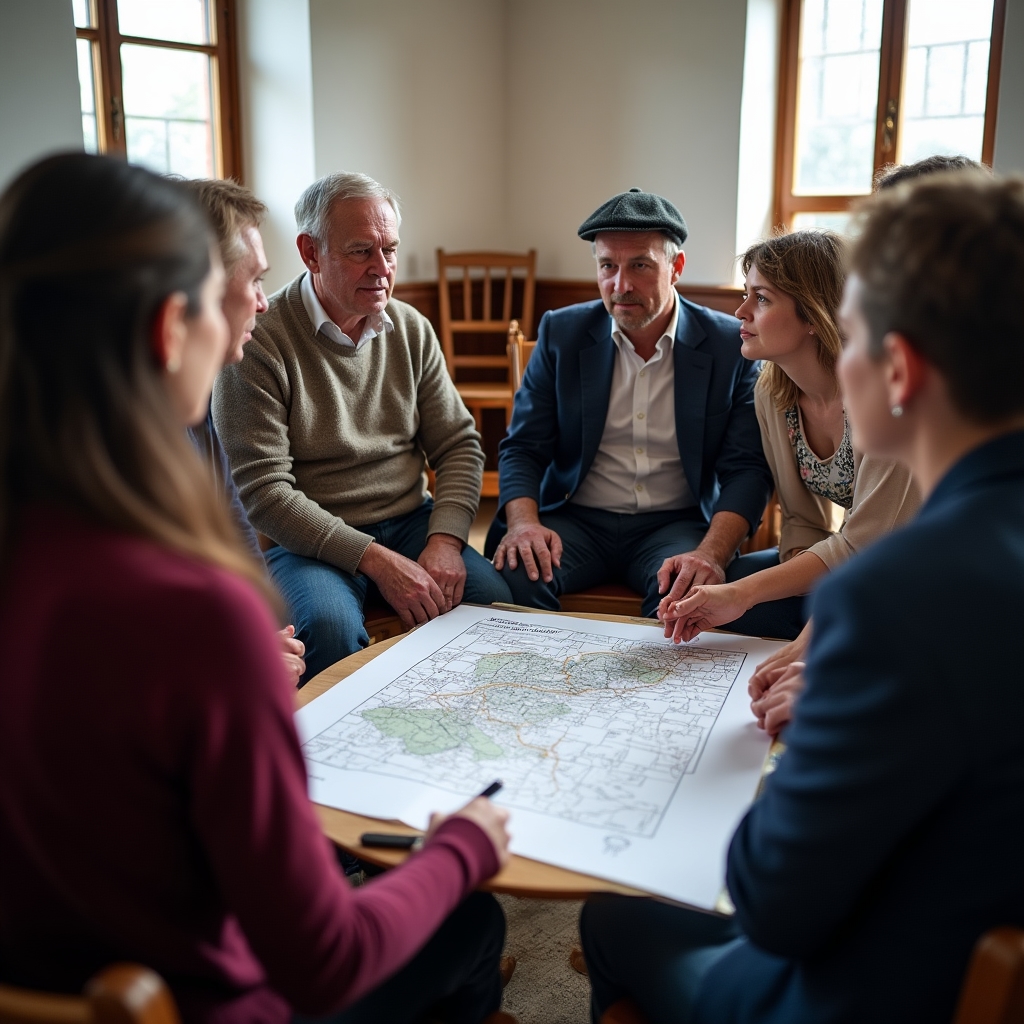
Community engagement session with local residents and B&B owners

When Aoife and Michael Brennan opened their purpose-built guesthouse in 2021, they were newcomers to the hospitality industry and to the Kenmare community. "We were concerned about being seen as outsiders," admits Aoife. "We wanted to create a business that would truly benefit the local area and become an integral part of the community."

Their approach centered on meaningful community engagement from the very beginning. Before opening, they hosted a community open house to introduce themselves and their vision, inviting feedback and suggestions from local residents. "That initial meeting was invaluable," says Michael. "We learned about local concerns, discovered potential partners, and began building relationships that have become the foundation of our business."

The Brennans developed a comprehensive local procurement policy, sourcing everything from food and beverages to linens and toiletries from businesses within a 50km radius whenever possible. They created a detailed "local economic impact report" that they share with guests, showing exactly how their spending is distributed throughout the community.

Beyond procurement, they established a "Community Experience Program" that connects guests with local residents offering authentic activities: traditional music sessions in a family home, cooking lessons with a retired chef, guided walks with a local historian, and craft workshops with local artisans. These experiences generate additional income for community members while providing guests with memorable, authentic interactions.

"The program has been transformative for both our business and the community," explains Aoife. "Guests stay longer to participate in these experiences, and they develop a deeper connection to the area. Many return year after year and maintain relationships with the local people they've met."

The Brennans also established a "Community Benefit Fund," allocating 5% of their profits to support local projects selected by community members. Recent initiatives include restoring a traditional stone wall, creating a community garden, and developing a local history archive.

"What began as a business strategy has become our passion," reflects Michael. "The relationships we've built and the positive impact we've seen in the community have given our work meaning beyond what we ever expected. And from a business perspective, our deep community integration has created a distinctive experience that guests value and seek out."

Eco-friendly B&B interior with sustainable materials and energy-efficient fixtures

When Fiona Murphy inherited her grandmother's Victorian townhouse in Westport in 2019, she was determined to preserve its architectural heritage while transforming it into a modern, sustainable B&B. "The house had been in our family for generations, and I wanted to honor that history while creating a business that reflected my environmental values," explains Fiona.

The 1880s building presented significant challenges, with high ceilings, single-glazed windows, and an outdated heating system that was expensive to run and inefficient. Working with conservation architects and energy specialists, Fiona developed a renovation plan that respected the building's heritage features while dramatically improving its performance.

"We took a holistic approach, addressing the building fabric, systems, and operations," says Fiona. "Every decision balanced heritage conservation with environmental impact."

The renovation included careful restoration of original sash windows with added draft-proofing, installation of breathable insulation materials compatible with the historic construction, and a zoned heating system that allows guests to control temperatures in their rooms. Solar thermal panels were discreetly installed on a rear roof not visible from the street, providing hot water during summer months.

Beyond the physical renovations, Fiona developed a "Heritage and Sustainability Tour" for interested guests, explaining both the historic features of the house and the modern sustainable elements that have been integrated. This has become a popular feature, particularly with environmentally conscious travelers interested in historic architecture.

Fiona also created a "Westport Through Time" walking tour that connects the house's history with the broader development of the town. The self-guided tour, available through a custom app, highlights architectural features, shares historical anecdotes, and includes information about how the town is addressing contemporary sustainability challenges.

"Many guests tell us they chose our B&B specifically because of our approach to combining heritage and sustainability," says Fiona. "It's created a unique selling point in a competitive market and attracted guests who value both history and environmental responsibility."

The renovation reduced energy consumption by 60% while preserving the character-defining features of the historic building. The project has won several awards and has become a case study for heritage organizations demonstrating how historic buildings can be adapted for contemporary environmental standards.

Key Lessons from Our Community Stories

Common themes and insights from successful sustainable tourism initiatives

Lessons Learned

1. Authenticity Is Essential

Across all our case studies, authenticity emerges as a critical factor in success. Properties that genuinely embrace sustainability as a core value, rather than as a marketing tactic, create more compelling experiences for guests and more meaningful relationships with their communities.

2. Local Distinctiveness Creates Competitive Advantage

Accommodations that reflect and celebrate the unique character of their location—through design, food, activities, and partnerships—create distinctive experiences that cannot be replicated elsewhere. This distinctiveness becomes a powerful competitive advantage in an increasingly homogenized marketplace.

3. Sustainability and Heritage Are Compatible

Many successful properties demonstrate that environmental sustainability and heritage conservation can be complementary rather than conflicting goals. Thoughtful approaches to energy efficiency, waste reduction, and resource conservation can be implemented in ways that respect and enhance historic character.

4. Community Engagement Requires Genuine Reciprocity

The most successful community relationships are based on mutual benefit and respect. Properties that approach community engagement as a two-way exchange, rather than as a one-sided extraction of local resources or knowledge, create more sustainable and rewarding partnerships.

5. Sustainability Is a Journey, Not a Destination

The most successful properties view sustainability as an ongoing process of improvement rather than a fixed endpoint. They continuously learn, adapt, and evolve their practices in response to new information, changing conditions, and feedback from guests and community members.

6. Small Changes Can Have Big Impacts

Many of our case studies demonstrate that meaningful progress doesn't always require large investments or radical transformations. Thoughtful, incremental changes—consistently implemented over time—can significantly reduce environmental impact, enhance guest experience, and strengthen community connections.

Share Your Story

Have you implemented sustainable tourism practices in your accommodation? We'd love to feature your experience in our community stories collection.