
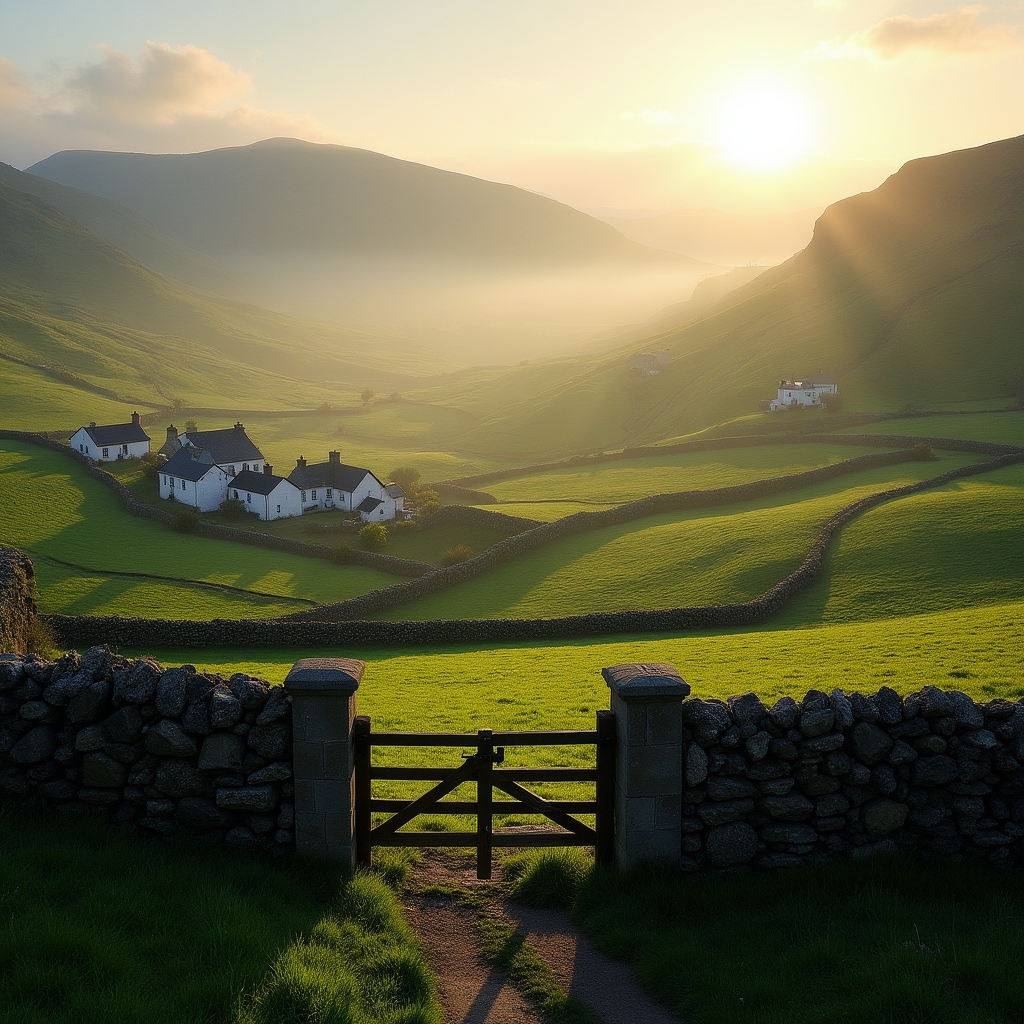
Proven strategies and innovative approaches for rural Irish accommodation providers
Practical approaches tailored to the unique context of rural Ireland
Sustainable tourism in rural Ireland requires a thoughtful approach that balances environmental responsibility with the preservation of cultural heritage and the needs of local communities. The best practices shared here have been developed specifically for the context of rural Irish B&Bs and guesthouses, taking into account the unique challenges and opportunities they face.
These practices are not just theoretical concepts—they have been successfully implemented by accommodation providers across rural Ireland, resulting in tangible benefits for businesses, communities, and the environment. Our approach emphasizes practical, achievable steps that can be adapted to fit properties of different sizes, styles, and locations.
Whether you're just beginning your sustainability journey or looking to enhance your existing practices, these guidelines provide a roadmap for creating a more sustainable accommodation business that contributes positively to rural Ireland's future.
Practical measures to reduce your environmental footprint
Implementing energy efficiency in historic or traditional buildings requires sensitive approaches that respect architectural heritage while improving performance. Best practices include:
Case study: A 19th-century farmhouse B&B in Co. Kerry reduced energy consumption by 45% through targeted insulation, a heat pump system, and solar panels discreetly installed on an outbuilding roof.
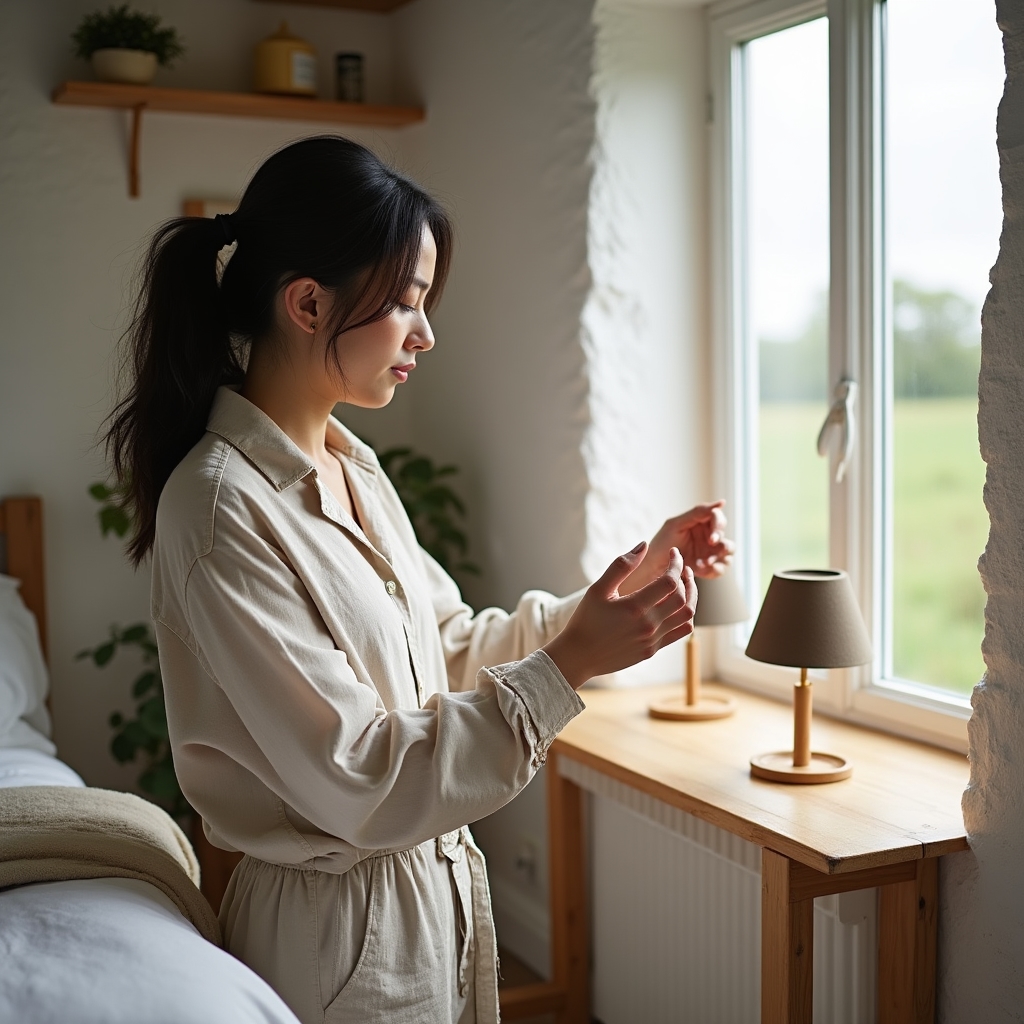
Water conservation is increasingly important in rural areas where supply may be limited or dependent on private wells. Effective approaches include:
Case study: A guesthouse in Co. Clare reduced water consumption by 30% by installing water-efficient fixtures, harvesting rainwater for garden use, and creating a beautiful native plant garden that requires minimal irrigation.
Reducing waste not only benefits the environment but can significantly reduce costs. Successful strategies include:
Case study: A B&B in Co. Wicklow reduced landfill waste by 85% through comprehensive recycling, composting, and eliminating single-use items. They now feature their "near-zero waste" commitment in their marketing materials.
Building meaningful connections that benefit local communities
Creating connections with local food producers enhances guest experience while supporting the local economy:
Supporting local artisans creates authentic experiences for guests:
Helping to preserve and share local cultural traditions:
Contributing to broader community wellbeing and sustainability:
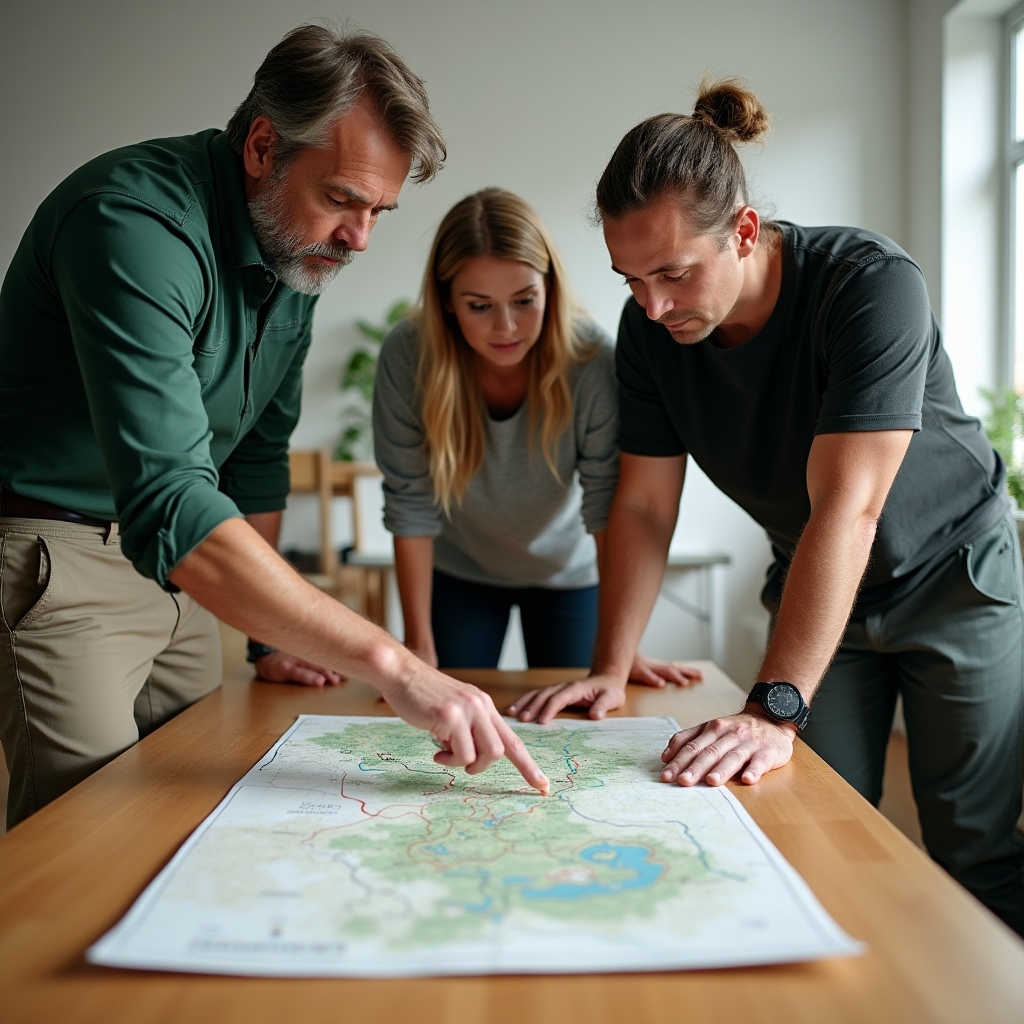
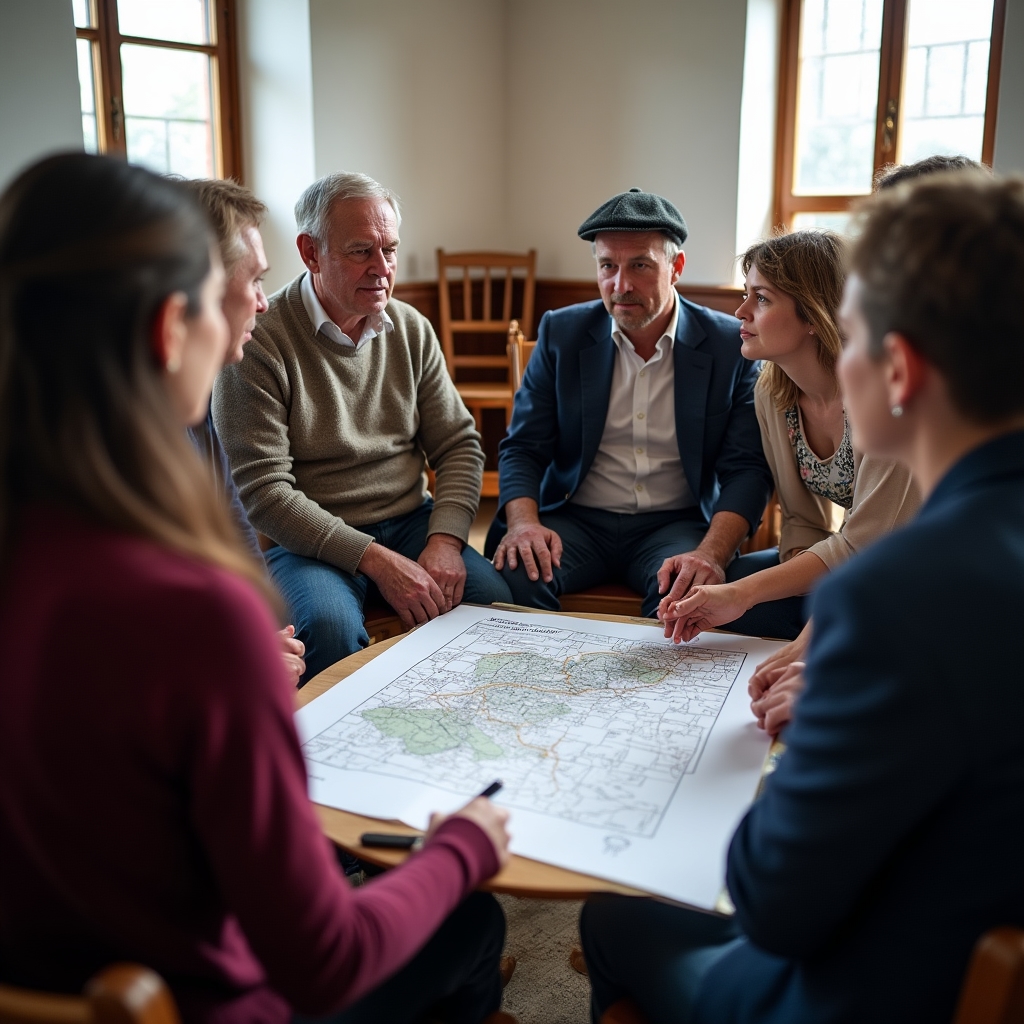
Riverside Guesthouse in Co. Waterford transformed their business by becoming a hub for local community engagement. They began by mapping all local producers, artisans, and cultural initiatives within a 30km radius, then developed relationships with over 20 local partners.
Their breakfast now features exclusively local ingredients, with a map showing guests exactly where each item comes from. They've converted an outbuilding into a small gallery showcasing local artists and craftspeople, with new exhibitions every two months that have become popular community events.
The owners also collaborated with local historians to create a heritage trail connecting their property with significant historical sites in the area, complete with interpretive materials that tell the story of the region. These initiatives have not only enhanced the guest experience but have generated an estimated €75,000 in additional revenue for local businesses annually.
Helping guests explore responsibly while protecting natural and cultural assets
Eco-friendly guest routes allow visitors to experience the beauty and culture of rural Ireland while minimizing environmental impact and supporting conservation efforts. These thoughtfully designed experiences can become signature offerings that differentiate your accommodation and encourage longer stays.
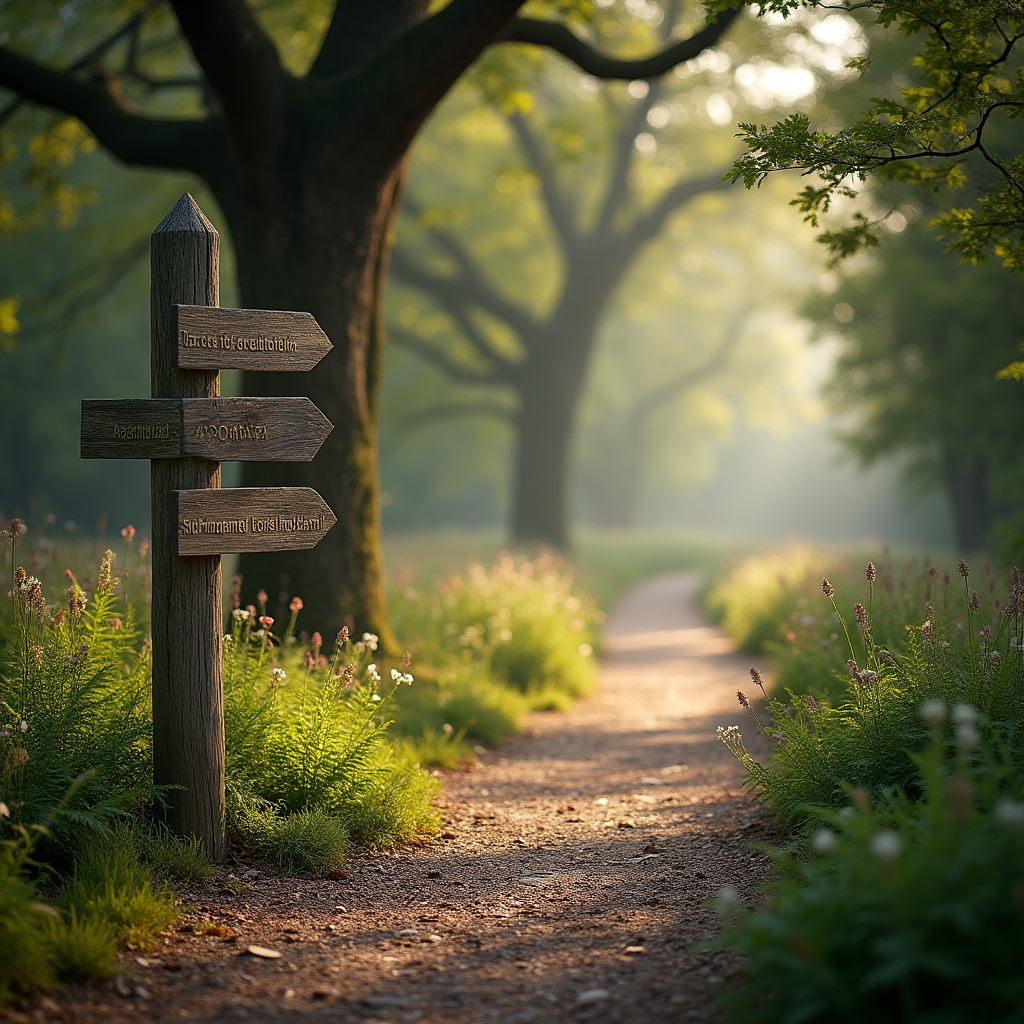
Creating sustainable walking experiences for guests:
Case study: A B&B in the Wicklow Mountains created five themed walking routes from their property, each highlighting different aspects of the local landscape and culture. Their detailed route guides include information on flora, fauna, geology, and history, enhancing the educational value of the experience.
Promoting sustainable exploration by bicycle:
Case study: A network of guesthouses in Co. Clare collaborated to create a 3-day cycling route that allows guests to travel between properties while experiencing the diverse landscapes and heritage of the region. The initiative has increased average length of stay and created new business during shoulder seasons.
Facilitating responsible wildlife observation and nature connection:
Case study: A guesthouse near a coastal wetland created a bird-watching program for guests, complete with a dedicated viewing room with telescopes, identification guides, and a log book for recording sightings. They partnered with a local ornithologist to offer weekly guided walks during migration seasons.
Connecting guests with local history, traditions, and stories:
Case study: A historic guesthouse in Co. Meath created a "5,000 Years in 5 Miles" heritage trail that connects their 18th-century property with nearby archaeological sites spanning from Neolithic passage tombs to medieval ruins. Their detailed guidebook includes historical context, local legends, and responsible visiting guidelines.
Gaining recognition for your sustainability commitment
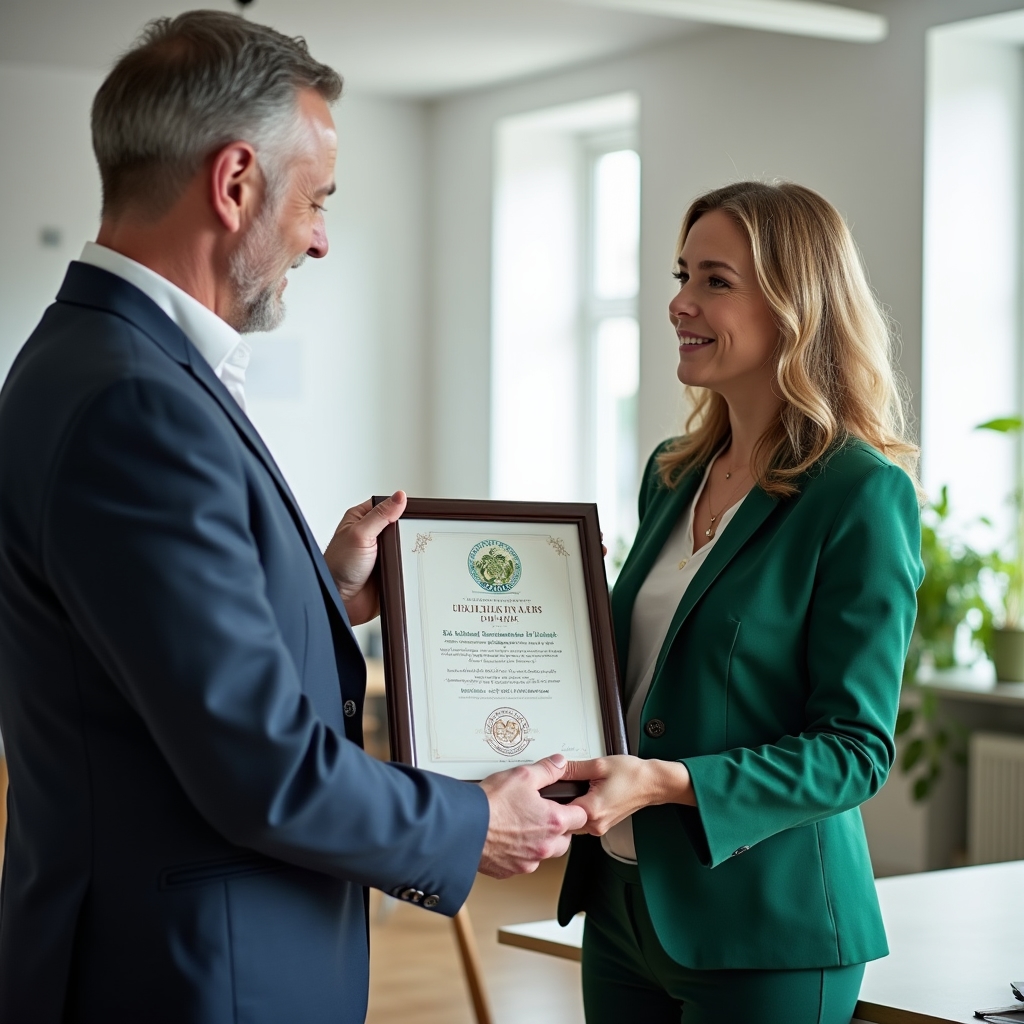
Green certification provides external validation of your sustainability efforts and helps communicate your commitment to potential guests. There are several certification options suitable for rural Irish accommodation providers, each with different focuses and requirements.
Ireland's leading certification specifically for accommodation providers, offering a step-by-step approach from entry level to advanced certification.
Focused on nature-based tourism businesses with strong environmental and community engagement components.
European-wide certification recognized across the EU, with comprehensive environmental criteria.
Through our program, we provide guidance on selecting the most appropriate certification, preparing for assessment, and maintaining certification over time. We can connect you with other certified properties who can share their experiences and advice.
Join our program for personalized guidance and support in transforming your accommodation
We use cookies to enhance your browsing experience, serve personalized content, and analyze our traffic. By clicking "Accept All", you consent to our use of cookies as described in our Cookie Policy. You can manage your preferences by clicking "Cookie Settings".
These cookies are essential for the website to function properly and cannot be disabled.
These cookies help us understand how visitors interact with our website, helping us improve our services.
These cookies are used to track visitors across websites to display relevant advertisements.